
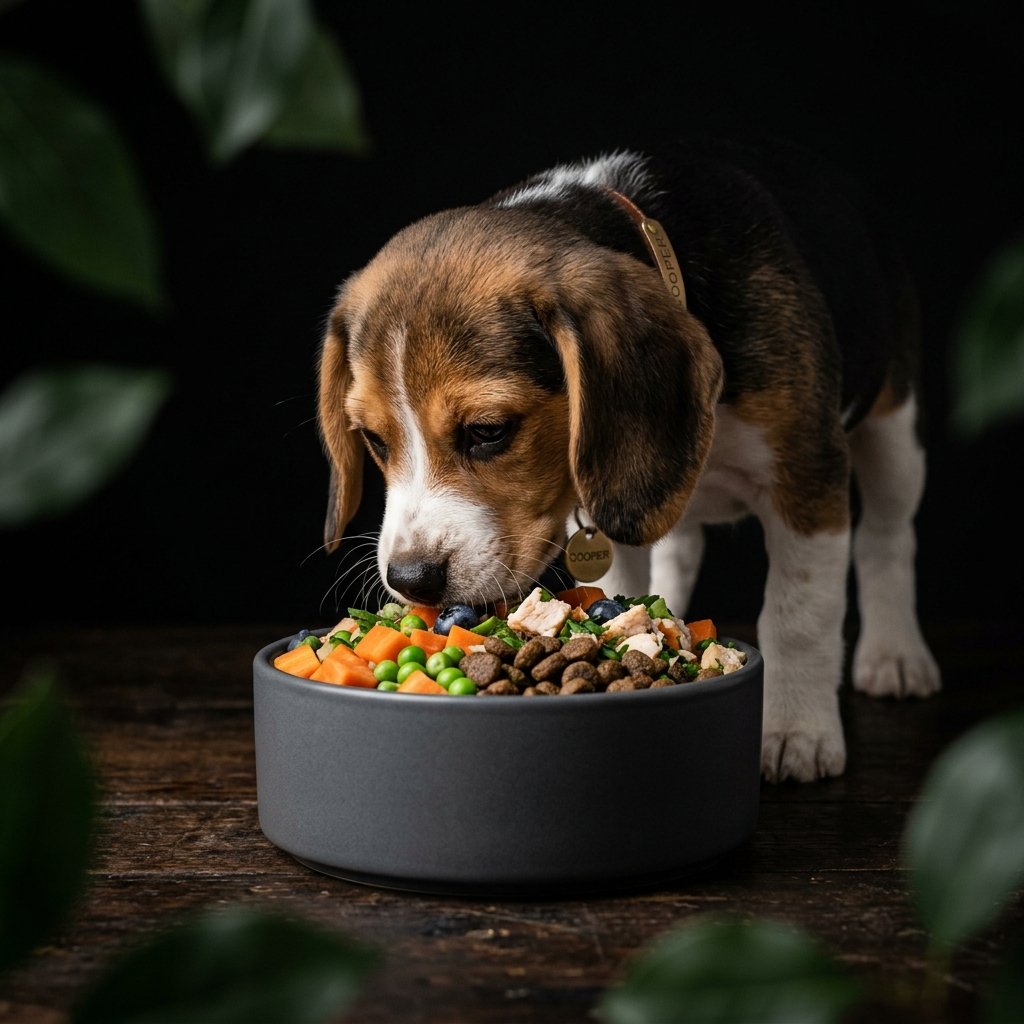


Feeding your dog the right food is one of the most important aspects of their overall health and longevity. With so many options on the market—from kibble and wet food to raw and freeze-dried diets—it can be overwhelming to decide what's best. In this guide, we break down the essentials of canine nutrition so you can make an informed choice.
Understanding Ingredients
The first step in choosing a high-quality dog food is to look at the ingredient list. The first ingredient should always be a high-quality source of protein, such as chicken, beef, or salmon. Avoid foods that list "meat meal" or "meat by-products" as the primary ingredient, as these are often lower quality and less digestible.
"Let food be thy medicine and medicine be thy food. A dog's health begins in the bowl, and providing a balanced, nutrient-dense diet is the greatest act of love an owner can show."
Age and Activity Level
Puppies have different nutritional needs than adult dogs, and seniors have different needs still. Puppies require more calories and specific ratios of calcium and phosphorus for healthy bone growth. Senior dogs may benefit from lower-calorie diets with added joint supplements like glucosamine and chondroitin.


Ultimately, the best diet is one that your dog thrives on. Look for bright eyes, a shiny coat, good energy levels, and firm stools. If you're ever unsure, consult with your veterinarian to formulate a diet plan tailored specifically to your furry friend's unique needs.
Leave a Reply
Your email address will not be published. Required fields are marked *